
About America 250
More than just a celebration, America 250 is a call to recover the ideas, rebuild the institutions, and revive the habits of citizenship and statesmanship that will ensure our republic’s survival.
America 250 Posts
Event
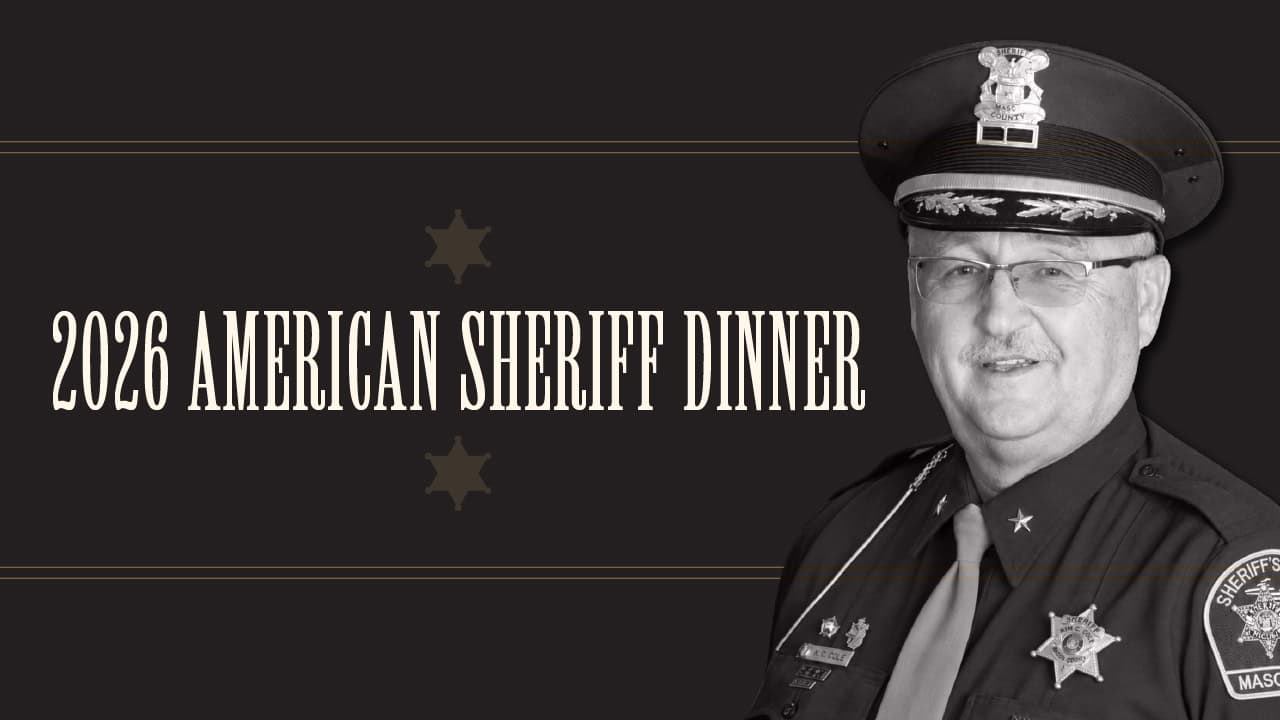
2026 American Sheriff Dinner Honoring Sheriff Kim C. Cole
The Claremont Institute invites friends and supporters to join us on November 11 in Huntington Beach, California for an evening celebrating those who stand on the front lines of law and order in defense of the American way of life. At this year’s dinner, we will present the American Sheriff Award to Sheriff Kim Cole of Mason County, Michigan, recognizing his steadfast commitment to upholding the Constitution and advancing the cause of law and order in his community and across the nation.
Event
2026 American Sheriff Dinner Honoring Sheriff Kim C. Cole
The Claremont Institute invites friends and supporters to join us on November 11 in Huntington Beach, California for an evening celebrating those who stand on the front lines of law and order in defense of the American way of life. At this year’s dinner, we will present the American Sheriff Award to Sheriff Kim Cole of Mason County, Michigan, recognizing his steadfast commitment to upholding the Constitution and advancing the cause of law and order in his community and across the nation.
Article
The Great Farewell
Washington’s Farewell Address is often celebrated as one of the great documents of American history—the political testament of the nation’s...
Article
Abdication: How Congress Abandoned Its Legislative Power and Subverted Constitutional Republicanism
Provocations #10 Click here to view a PDF version. The Provocations series is available in hard copy, audiobook, and e-book...

Event
The Ruling Class at Stanford
We invite you to join The Claremont Review of Books and supporters as we convene on Thursday, October 22 at the Harvard Club of New York City for “The Ruling Class at Stanford”, a reception and panel discussion exploring what Stanford reveals about power and the formation of elites, occasioned by Michael Anton’s review of Theo Baker’s How to Rule the World: An Education in Power at Stanford University.
Article
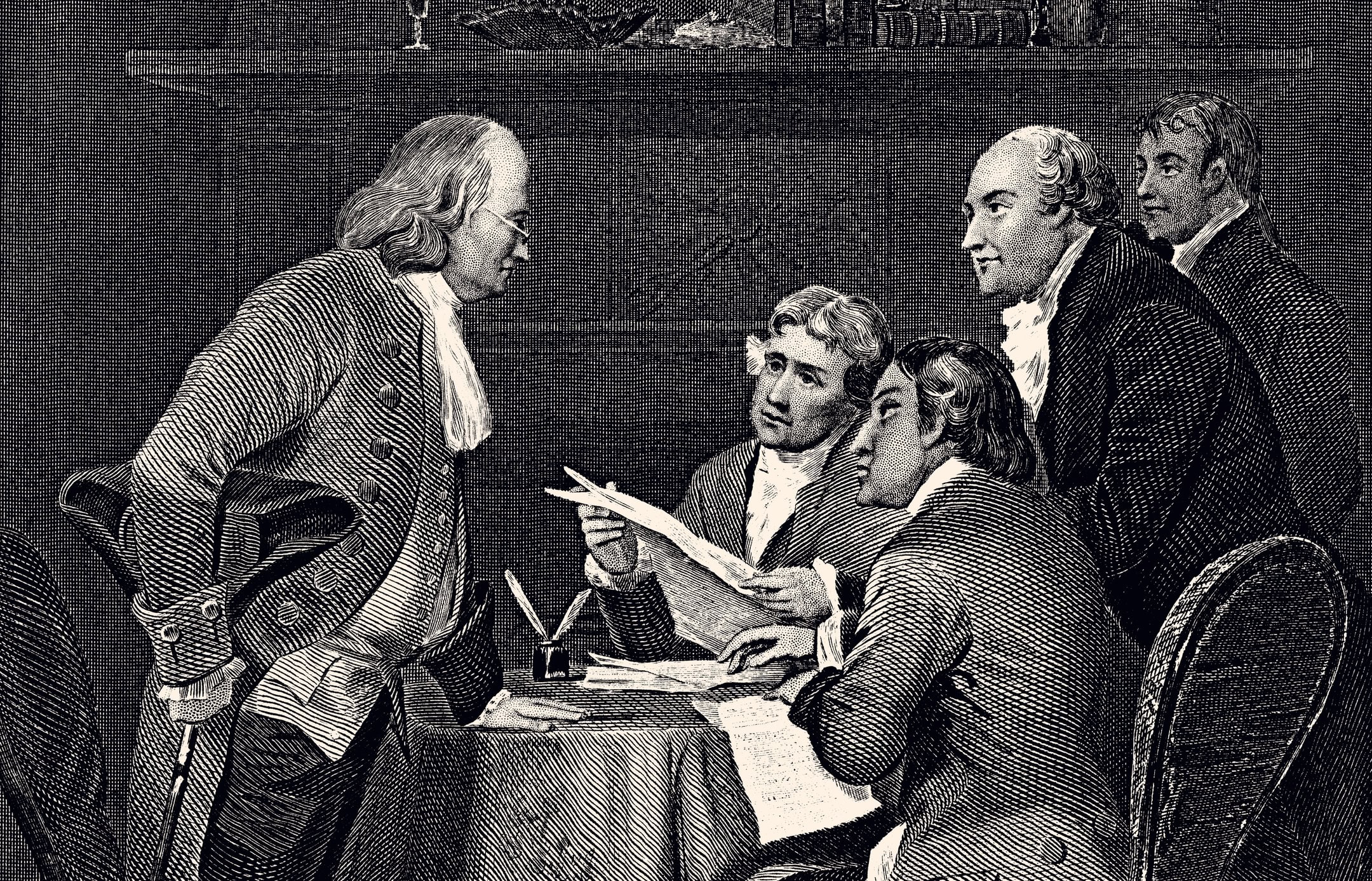
John Adams and the Meaning of Independence
According to John Adams, if you cannot fail, you’re not truly free. In his last public statement, honoring the 50th...
Article
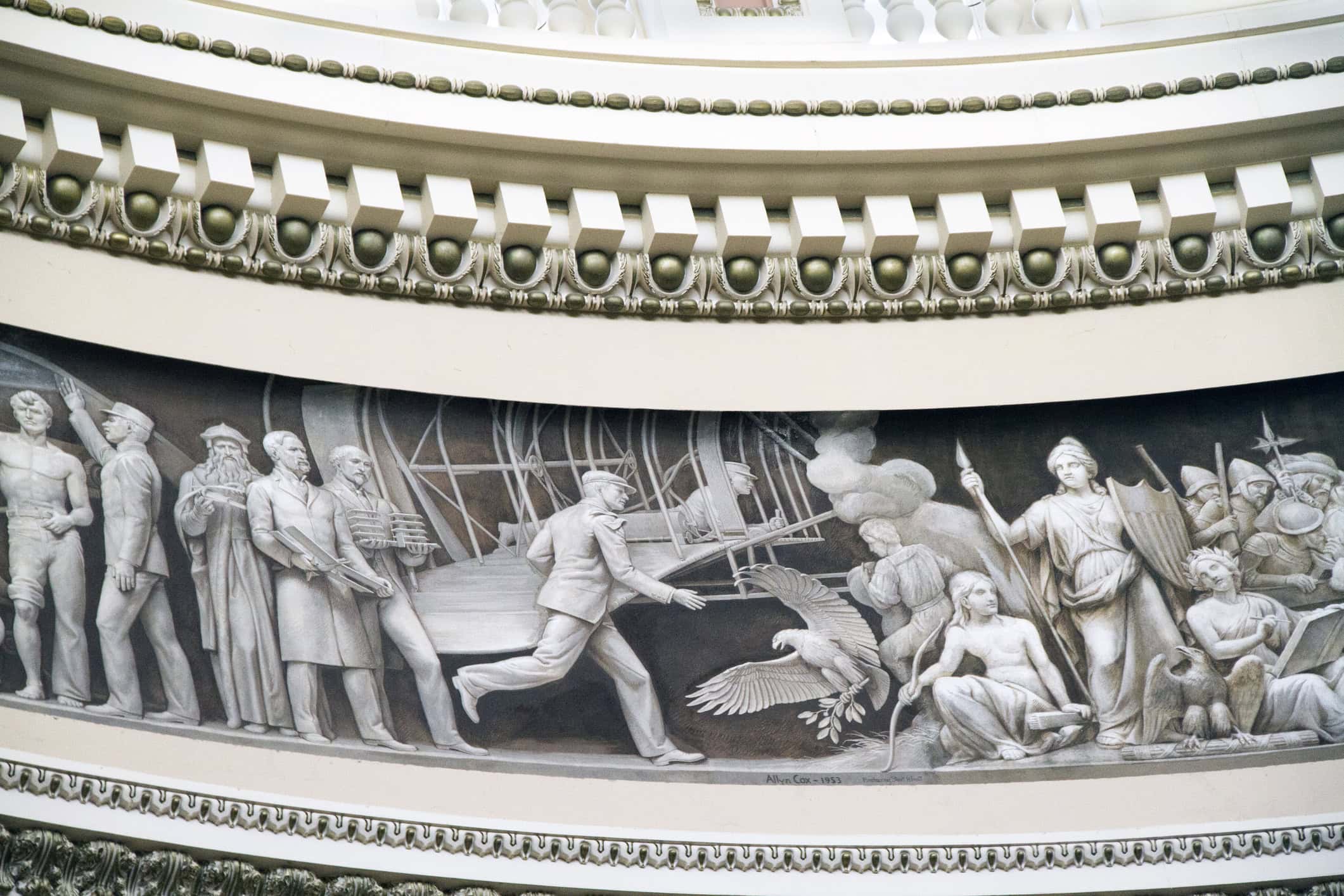
Education for America’s Next 250 Years
In the opening of Federalist 1, Publius makes clear to his countrymen the great question that Providence had placed before...

Article
Born American, But in the Wrong Place
On October 23, 1956, students gathered at the foot of Sandor Petofi’s statue in Budapest and read his poem “Rise,...

Podcast
Is the Electoral College Still Viable?
Following Richard Nixon's victory in the turbulent 1968 election, an amendment threatening to dismantle the Electoral College gained startling momentum....
Article
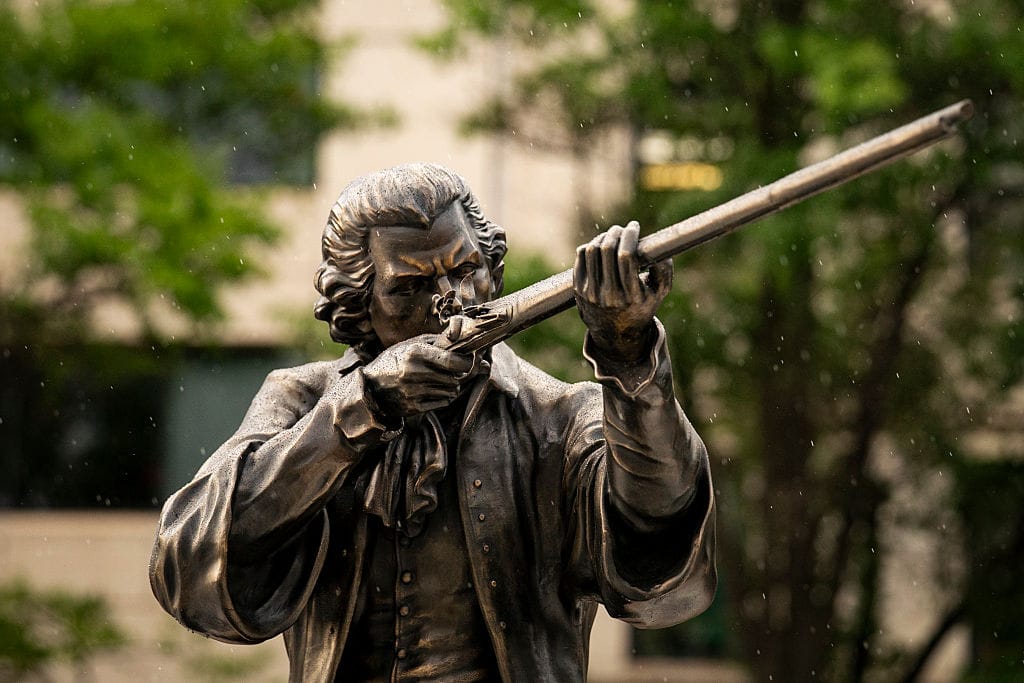
1776 and 1789: A Tale of Two Revolutions
On November 10, 1793, the Cathedral of Notre-Dame ceased to be a church. The high altar where the Holy Mass...
Article
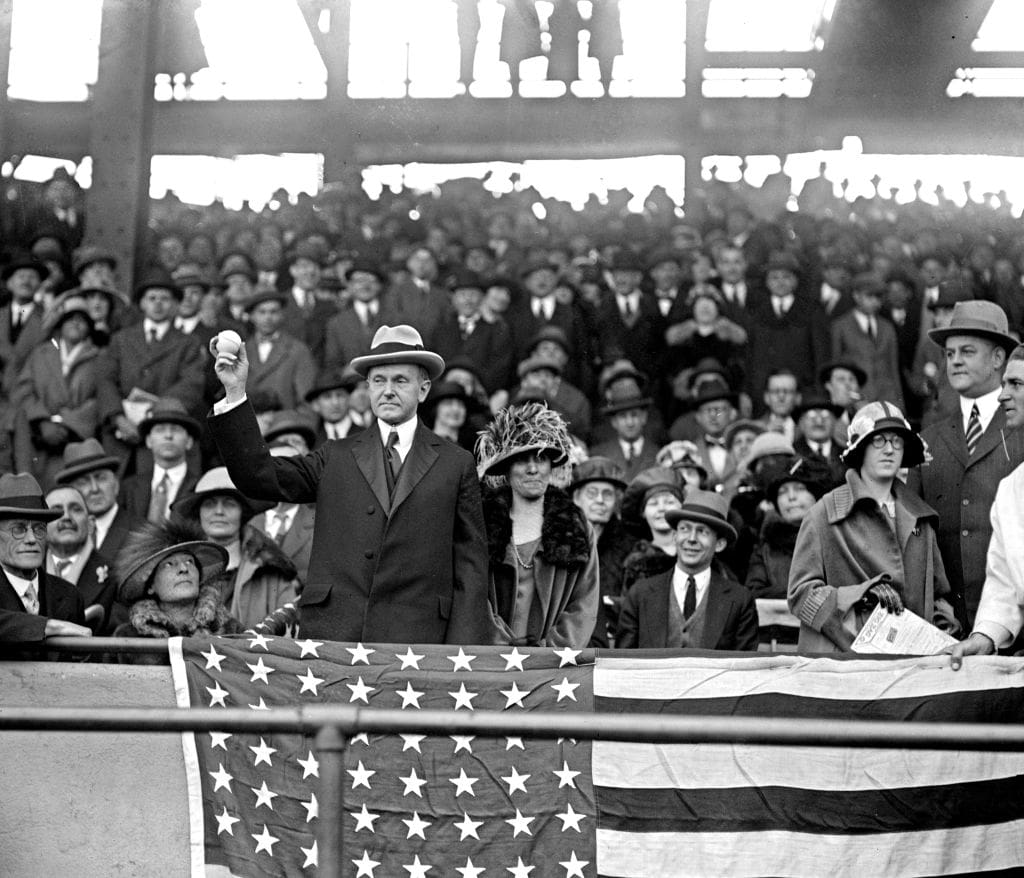
Calvin Coolidge and the Fourth of July
Celebration of the semiquincentennial will not be complete without remembering the only president of the United States born on the...

Article
Sovereignty on Display
Europeans often tease Americans that they live in a young country that’s barely 250 years old. But after spending two...
Article
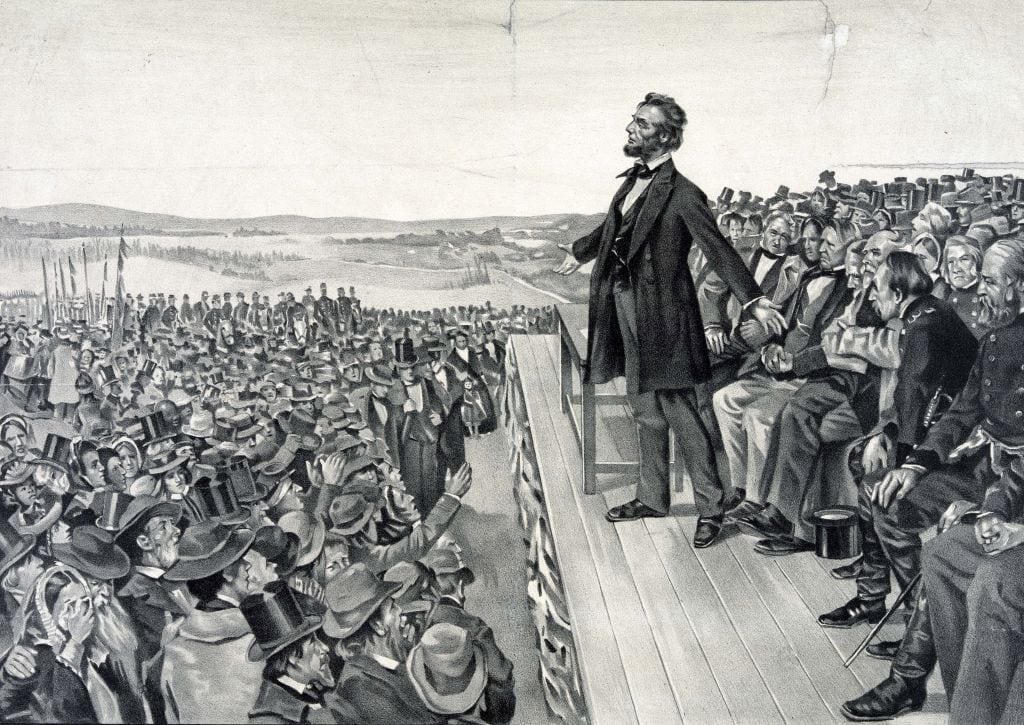
Lincoln’s Corollary to the Declaration of Independence
Abraham Lincoln vastly admired the founders and the Declaration of Independence. But he felt compelled to add a silent corollary...
Article
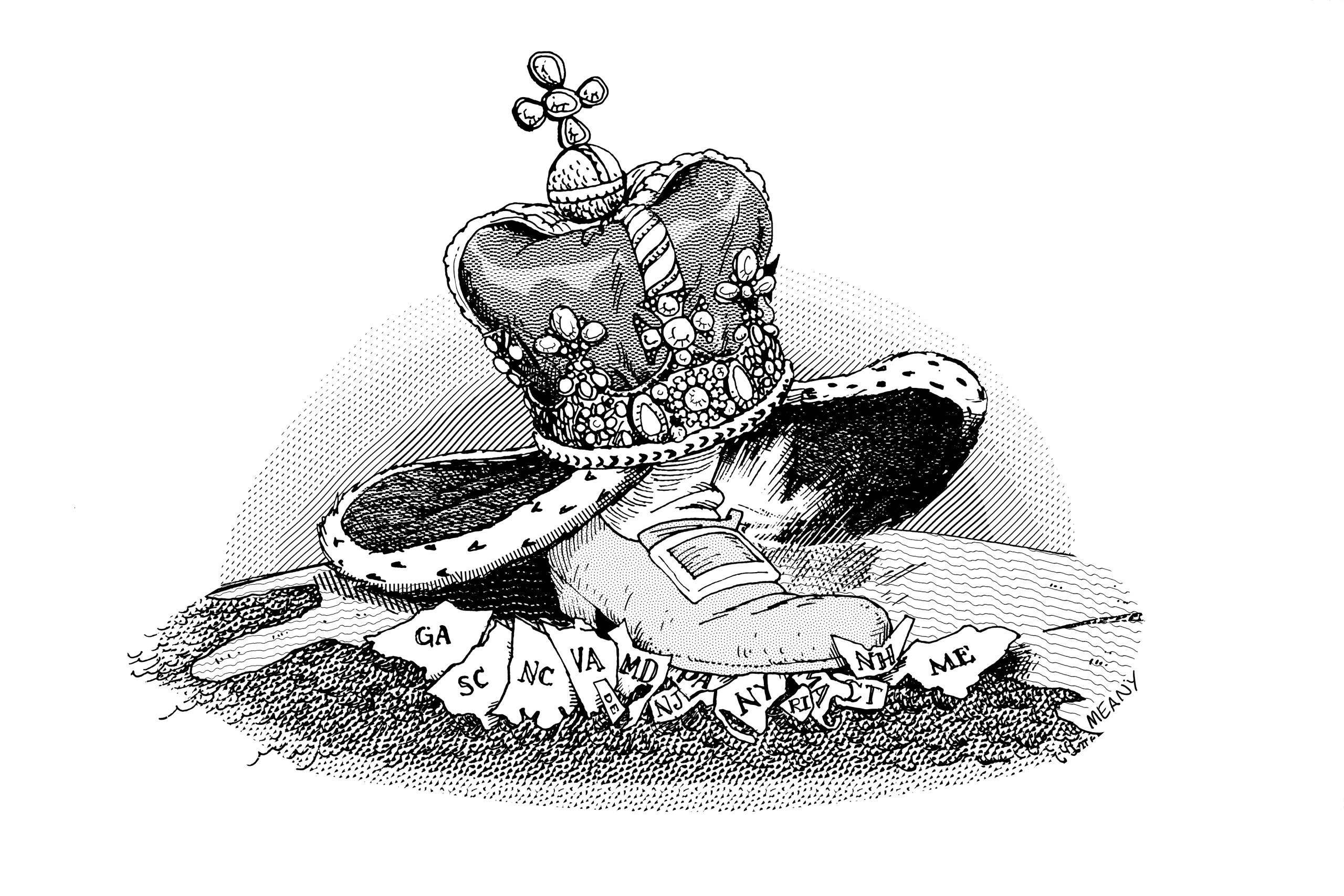
Three Declarations, Three Revolutions
Modern democratic politics began with three great revolutions, with the English, American, and French Revolution each marked, though in very...
Article
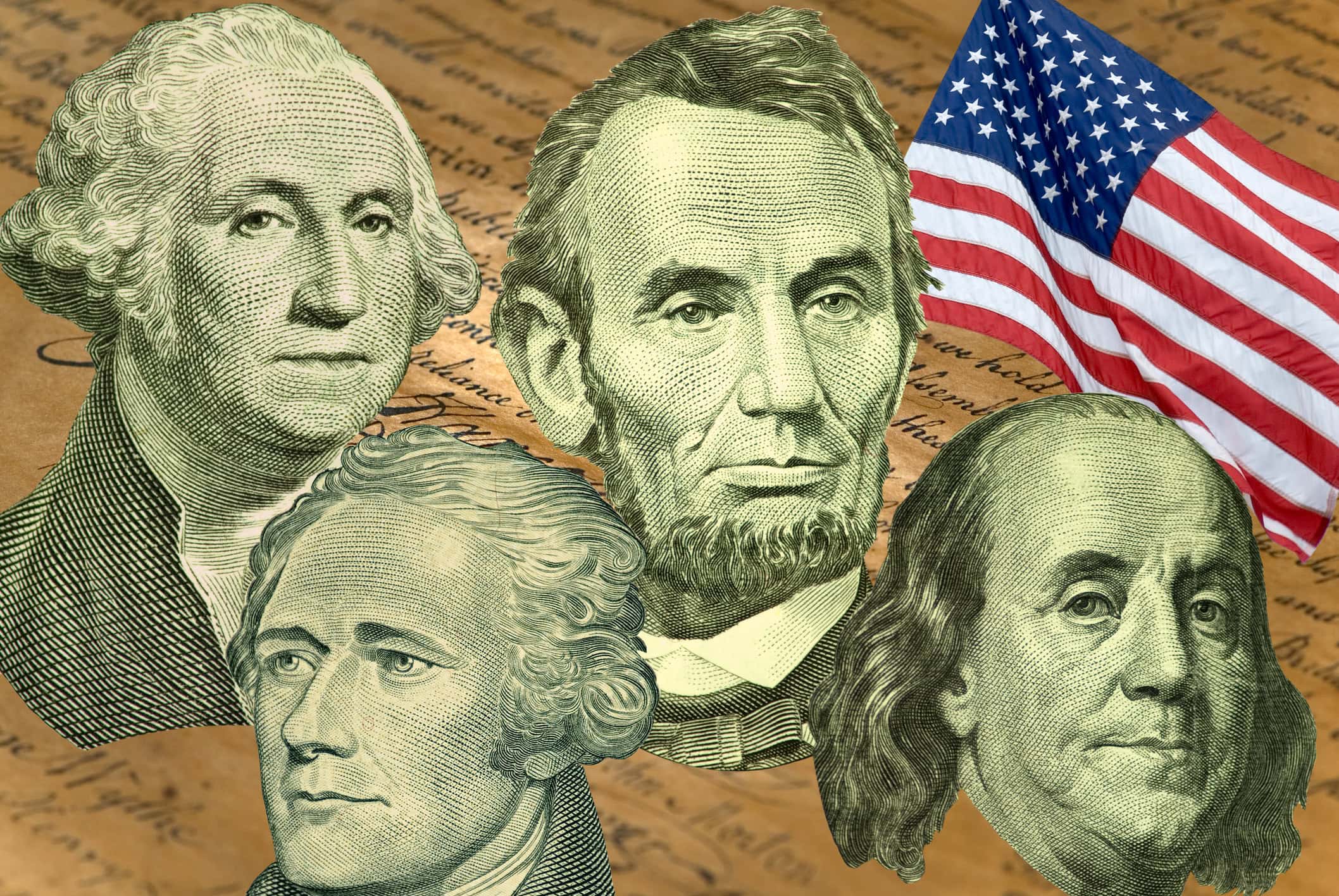
Laura Field Mangles the Founders and Lincoln
Laura Field once again accuses me of “distort[ing] and obscur[ing] a specific passage from an important speech by Lincoln.” She...
Recovering the American Idea
America’s 250th anniversary arrives at a pivotal time. Determined leaders working to renew America fight for the upper hand in a struggle against the well-organized forces bent on civic madness. The battle rocks the foundations of self-government, made fragile by a century of corrosive assault. Yet there is hope, where America has always found it before—in the Creator who endowed our rights, and the American principles that safeguard them.
We rightly celebrate the American experiment in liberty, even as we face institutional weakness, civic uncertainty, and government bloat that strays far from the Constitution’s design. But even as the anniversary calls for grateful commemoration, it calls for a sober assessment of our civic condition, and a renewed effort to recover the high standards required for self-government.
Claremont exists to meet that challenge and to safeguard the future of our republic.
For decades, Claremont has studied the principles of the American Founding—the true principles of free government—and how to apply them. Our government, and many of our people, have wandered far from that design. It is our job to help America get back on the correct foundation.
Because America’s principles are true, they are also powerful and enduring—as applicable today as they were 250 years ago. Our teaching, writing, and leadership all serve the same end of making the case for ordered liberty, explaining how our institutions within a constitutional framework were meant to secure it, and preparing leaders who know how to work inside those institutions rather than stand apart from them.
America 250 brings that effort into sharper view and ensures that America remains a nation worth celebrating for generations to come.
The Founding survives not through nostalgia, but through a capacity for correction and renewal that has carried it across generations. As the nation marks its 250th year, citizens can look ahead with confidence rooted in understanding. What is done now will help ensure liberty and self-government can be celebrated by our citizens for centuries to come.